War Horse is back at the National Theatre. Nearly two decades after it premiered on the Olivier stage and changed what people thought theatre could do, it is back in the same building for a limited run until 30 July 2026.
This guide covers everything you need to plan your evening: the show itself, how to get tickets, how to get there, where to eat beforehand, and what to do before and after the curtain goes up. If you are coming to the Olivier Theatre and want one place with all the practical information, this is it.
We are Draughts Waterloo – a board game bar and restaurant a short walk from the National Theatre on Waterloo Road. We have a strong interest in making sure you have a good evening.
About War Horse
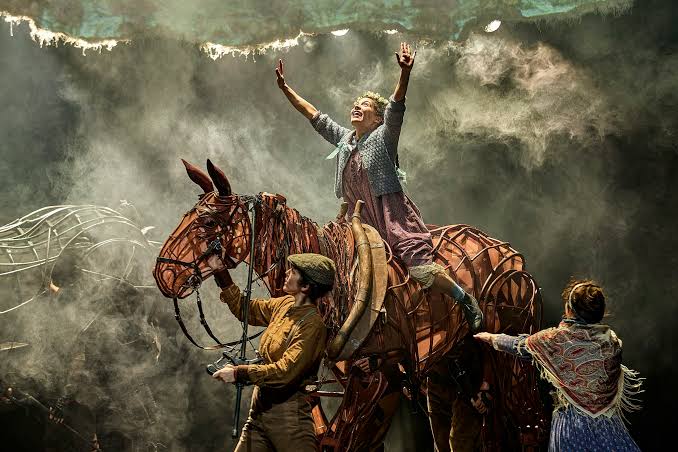
When War Horse opened at the National Theatre’s Olivier Theatre in October 2007, it was an unlikely proposition. An adaptation of a children’s novel set during the First World War, with life-sized horse puppets at its centre. The kind of production that could have collapsed spectacularly under the weight of its own ambition.
It did not collapse. It became one of the most celebrated productions in the National Theatre’s history. It transferred to the West End. It went to Broadway, where it won five Tony Awards including Best Play. It toured the world. A Steven Spielberg film followed in 2011. National tours sold out. Millions of people, across dozens of countries, have seen it.
And now it is back at the Olivier – the theatre where it began. Tom Morris, who co-directed the original 2007 production, directs this 2026 revival, with Katie Henry as revival director and Matthew Forbes directing the puppetry. This is not a different company doing a version of it. It is the production returning to where it started.
The story
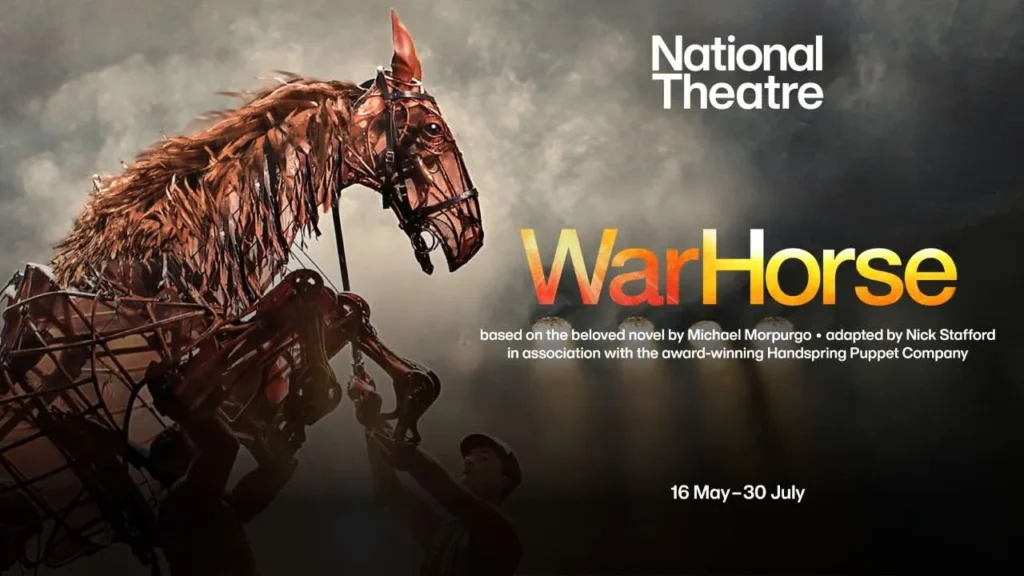
The novel was written by Michael Morpurgo in 1982, inspired partly by conversations he had with elderly Devon farmers who had served in the First World War and never forgotten the horses they had left behind. It became a set text in schools. It became a modern classic. And the theatrical adaptation captures what makes it work: it is, on the surface, a simple story about a boy and his horse. Underneath, it is about loyalty, loss, and what people are capable of when something worth loving is at stake.
At the outbreak of the war, a young Devon farmer’s son named Albert watches his beloved horse Joey sold to the British cavalry and shipped to France. Albert is too young to enlist. But he follows anyway – crossing from the fields of rural England to the mud and carnage of the Western Front, determined to find Joey and bring him home.
The war takes Joey through multiple hands – a British cavalry officer, a French farmer, German artillery – before Albert catches up to him. The story of how they find each other is also the story of the First World War itself: the last cavalry charges, the transition from horses to tanks, the scale of death that made everything that came before it seem impossible.
The puppets
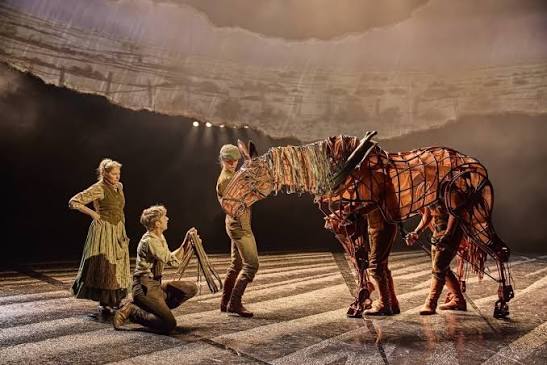
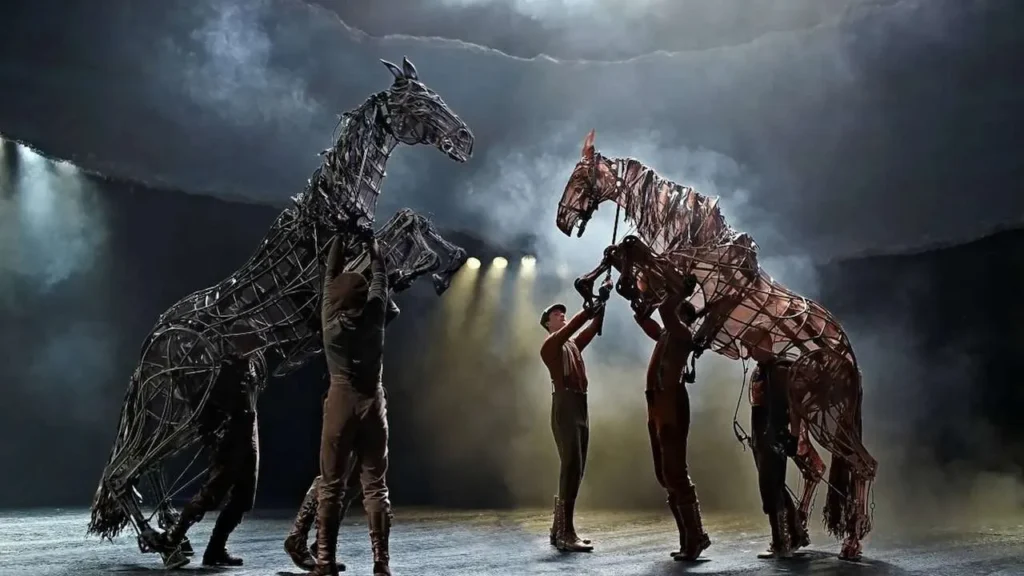
The horses in War Horse are built and designed by Handspring Puppet Company, the South African theatre company founded by Adrian Kohler and Basil Jones. Each horse is operated by three performers working in precise synchrony: two inside the body, one at the head. They move in plain sight throughout the performance, not hidden or disguised. And yet, within minutes of the production beginning, you stop seeing them.
This is not a trick. It is something more interesting. The performers are so precisely in tune with each other, and with the movement vocabulary they have developed for each animal, that the eye and brain simply give up trying to see through the illusion. The horse breathes. Its ears flicker. Its weight shifts when it is unsettled. You feel something when it is afraid.
There is a foal at the beginning of the production, small and leggy, operated differently from the adult Joey. Watching that foal grow into the horse Albert loves is one of the quieter pleasures of a production full of larger moments. The puppetry has been described by critics as transformative. That is the right word. Something transforms when you watch it. You can read about it at length and still not be prepared.
The cast and creative team
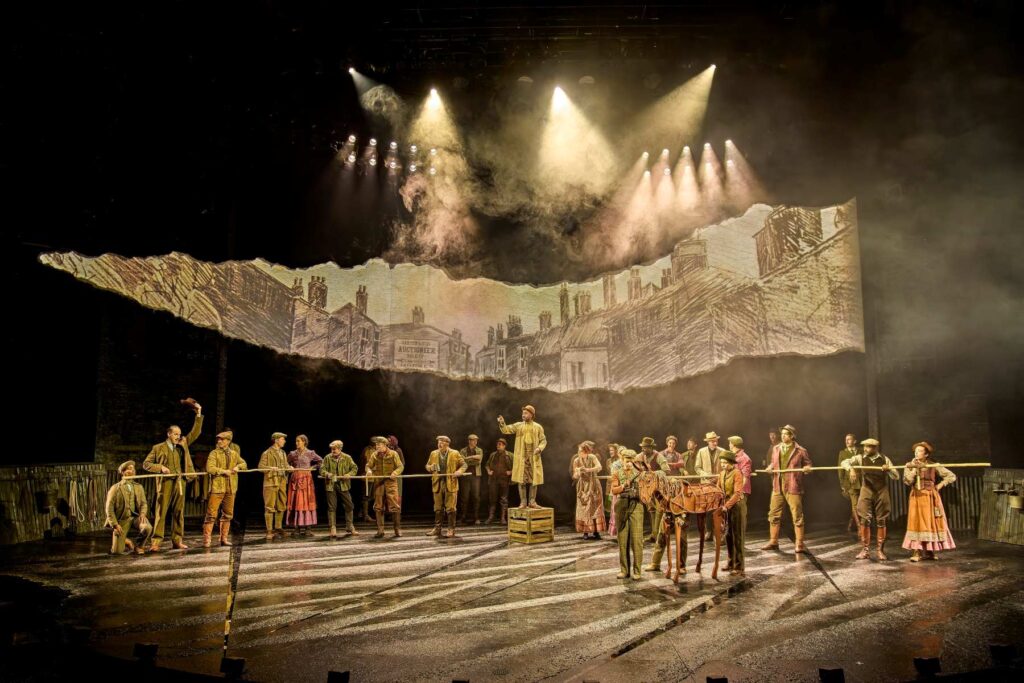
Tom Sturgess plays Albert Narracott. Jo Castleton plays Rose Narracott. Stephen Beckett plays Ted Narracott, alongside a large ensemble of performers and puppeteers including Sally Swanson as The Singer.
Tom Morris directs, with Katie Henry as revival director and Matthew Forbes directing the puppetry. The original 2007 production was co-directed by Tom Morris and Marianne Elliott. Handspring Puppet Company, with puppet design credited to Adrian Kohler for Handspring Puppet Company, returns for the revival.
Dates, performance times and tickets
Venue: Olivier Theatre, National Theatre, Upper Ground, South Bank, London SE1 9PX
Run ends: Thursday 30 July 2026
Evening performances: Monday to Saturday at 7:30pm
Matinees: Wednesday and Saturday at 2:15pm
Early evening performances at 6:30pm: Thursday 9 July, Tuesday 14 July, Tuesday 21 July and Thursday 30 July. If you are attending one of these, adjust your pre-show timing accordingly – arrive at Draughts around 4:45pm rather than 5:45pm.
Running time is approximately 2 hours 40 minutes including a 20-minute interval – confirm at the time of booking on the National Theatre website.
Ticket prices (Monday-Thursday evenings and matinees): £30, £42, £65, £85, £110
Ticket prices (Friday and Saturday evenings and matinees): £30, £50, £72, £92, £120
Booking fee: £4 per order for phone and online bookings. Prices may vary according to demand.
Book at nationaltheatre.org.uk. Tickets for a production of this profile do sell out. Book as early as possible.
How to pay less for War Horse tickets
The National Theatre releases £10 Friday Rush tickets every Friday at 1pm for performances in the following week. These sell fast. Sign up at nationaltheatre.org.uk/fridayrush to get notifications.
Standby tickets are available in person at the Box Office 60 minutes before each performance. General Standby saves up to £20 off selected seats. Reduced Standby tickets at £20-£30 are available to students, Stage Pass holders, SOLT and theatre union members, and the unemployed, with valid ID.
Under 18s get £20 off tickets priced £40 and above for Monday to Friday evenings and all matinees. If you are aged 16-25, tickets are available for £5 (16-18) or £10 (19-25) – a maximum of two per production. Concessions for over 60s are available on midweek matinees. See nationaltheatre.org.uk/ways-to-save for full details.
Groups of 10 or more qualify for discounts: £6 off per ticket for groups of 10-19, and £10 off with one free leader ticket for groups of 20 or more.
Getting to the National Theatre
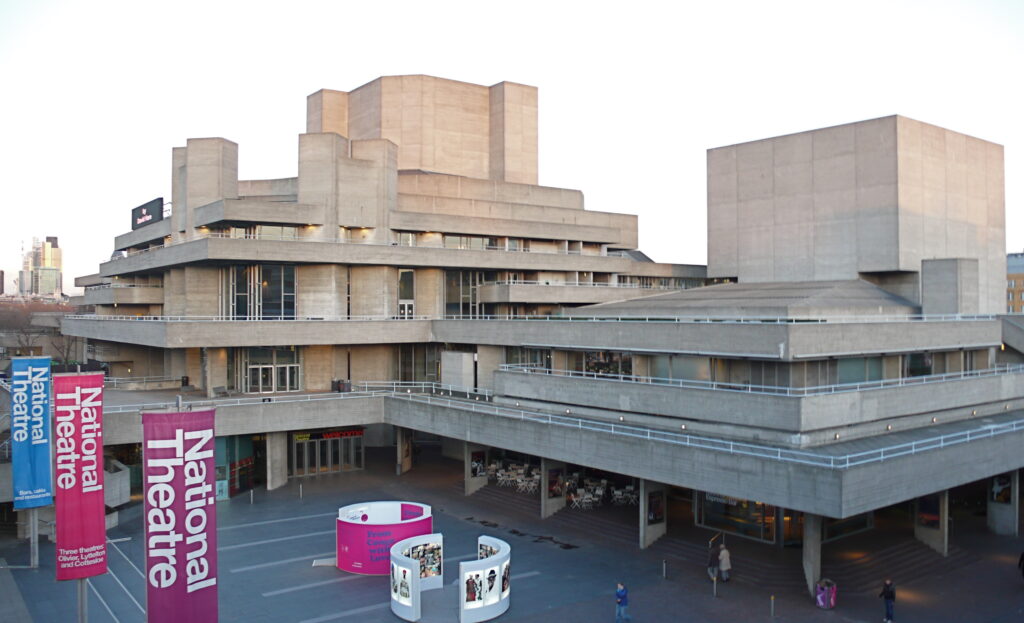
The National Theatre is at Upper Ground, South Bank, London SE1 9PX.
By tube: Waterloo is the nearest station, a 5-minute walk from the theatre. Southwark and Embankment are both a 10-minute walk. Waterloo is served by the Jubilee, Northern, Bakerloo and Waterloo and City lines.
By train: Waterloo mainline station, Waterloo East and Charing Cross are all 10-15 minutes on foot. National Rail connections from Clapham Junction, Wimbledon, Reading, Windsor, and across the south.
By bus: Stops on Waterloo Bridge, Waterloo Road and Stamford Street. Use the TfL Journey Planner for specific routes.
By bike: Santander Cycles docking stations on Upper Ground (two stations, including one below Waterloo Bridge) and in Concert Hall Approach. Bicycle racks outside the Espresso Bar on Theatre Square.
By car: The NT has its own underground car park with 290 spaces, accessed from the south-west corner of the building on Upper Ground. Height restriction 6’2″ (1.88m). Evening rate from 5pm to midnight: £10. Note the exit restrictions – follow signage carefully when leaving. Payment is cashless only.
By river: Uber Boat by Thames Clippers runs to Embankment Pier, a short walk across Waterloo Bridge to the South Bank.
Planning your evening at War Horse
The National Theatre building is free to enter and open from 10am Monday to Saturday. The foyers are worth exploring before the show – there are usually free exhibitions, and the building itself is one of London’s great pieces of brutalist architecture. The riverside terrace at the Understudy bar looks directly onto the Thames. It is worth arriving early.
For a 7:30pm performance, we suggest the following timing:
- 5:45pm – arrive at Draughts Waterloo (10-minute walk from the National Theatre, on Waterloo Road). Order drinks and food.
- 6:00pm-7:00pm – dinner and a game.
- 7:00pm – leave Draughts for the theatre.
- 7:10pm – arrive at the National Theatre. Collect tickets, pick up a programme, explore the foyers.
- 7:30pm – curtain up.
War Horse runs approximately 2 hours 40 minutes with one interval. The interval is a good time to get drinks from the NT bars – queues build quickly, so having a drink already ordered or knowing what you want helps. The NT does pre-ordered interval drinks at the bars.
After the show, Draughts Waterloo is open for post-show drinks and games. The show will finish around 10:10pm on most nights. We are a 10-minute walk back. It is a good place to decompress, if the ending leaves you needing to talk through what you just watched. War Horse tends to have that effect.
Where to eat before War Horse – Draughts Waterloo
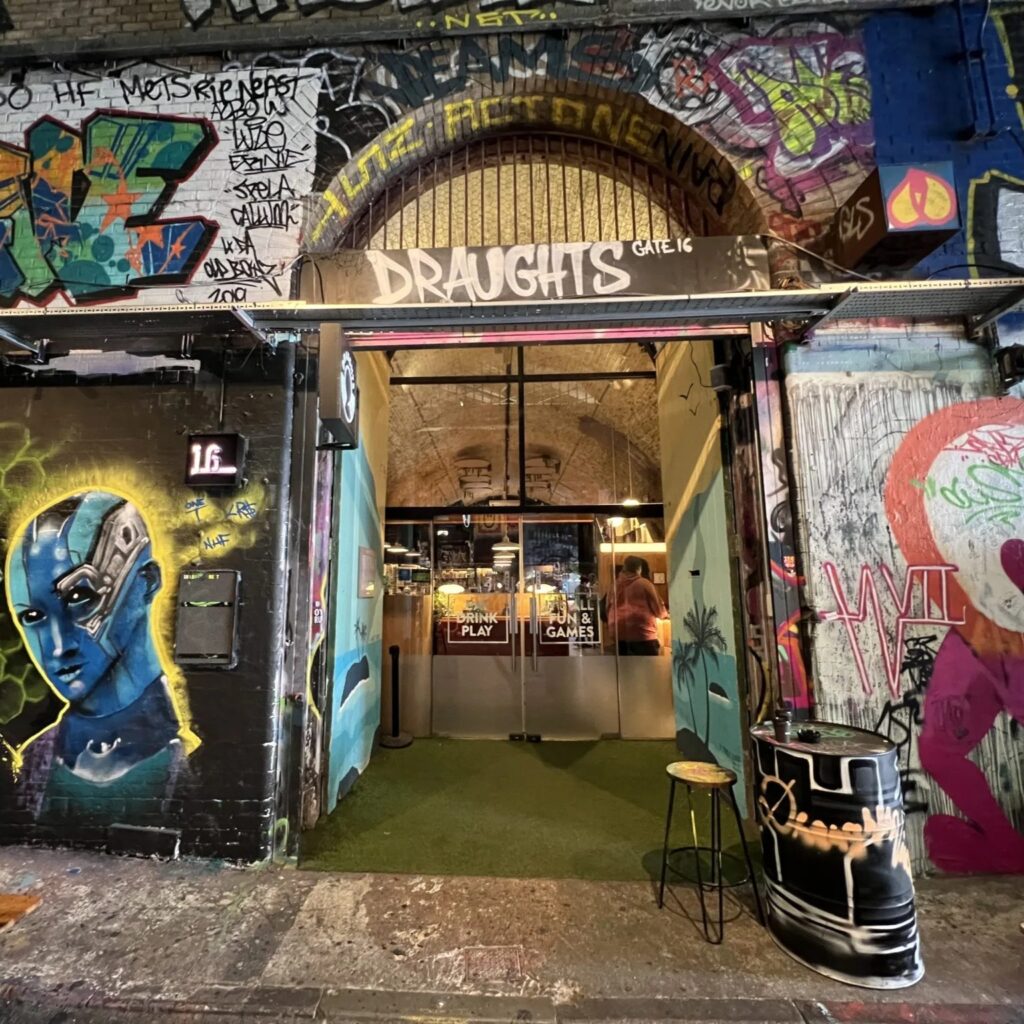
We are a board game bar and restaurant on Waterloo Road, a 10-minute walk from the National Theatre. We have a full kitchen running every evening, three bars, and a library of over 1,000 board games. If you want to eat, drink and play something before a show, we are the place.
Tables are bookable in advance at draughtslondon.com. Walk-ins are welcome subject to availability, but for a show night we recommend booking.
The food and drink

The Nachos Grande and the Sampler Platter – corn dogs, empanadas, halloumi fries, tortilla chips, hummus, guacamole – are the right calls for groups who want to share and keep things relaxed. The Short Rib Birria Tacos, slow-cooked rare breed beef in a chilli and lime broth with a consommé for dipping, are consistently the standout dish. The Double Smashed Cheese Burger is there when the occasion calls for something substantial.
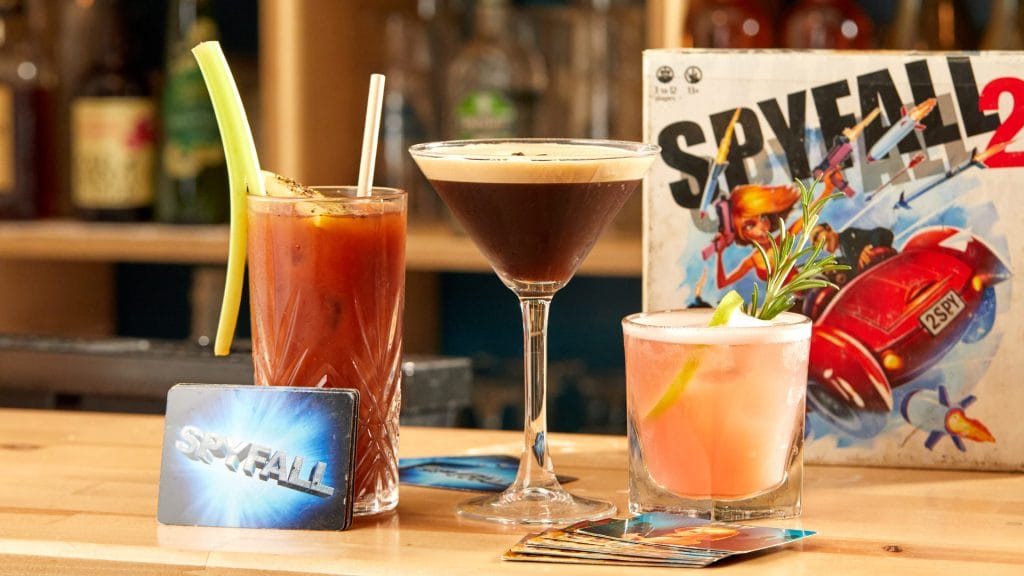
On drinks: the pitchers were designed for groups. The Margarita Pitcher, the Dark and Stormy, the Cream Soda Bramble. House Lager on draught. Individual cocktails, wine, soft drinks. The Korean Fried Chicken – sticky soy and gochujang glaze, crispy onions, citrus mayo – if you want something quick and excellent.
Frequently Asked Questions
Where to eat before War Horse at the National Theatre?
Draughts Waterloo is a 10-minute walk from the National Theatre on Waterloo Road – a board game bar and restaurant with a full kitchen and three bars. For a 7:30pm show, arrive around 5:45pm. Book at draughtslondon.com.
What time does War Horse start at the National Theatre?
Most evening performances are at 7:30pm Monday to Saturday. Matinees are at 2:15pm on Wednesdays and Saturdays. Note that the following performances start at 6:30pm: Thursday 9 July, Tuesday 14 July, Tuesday 21 July and Thursday 30 July. Check your booking confirmation for the exact start time.
How long is War Horse at the National Theatre?
War Horse runs for approximately 2 hours 40 minutes, including one interval. Confirm the exact running time when booking at nationaltheatre.org.uk.
When does War Horse end at the National Theatre?
War Horse runs at the Olivier Theatre until Thursday 30 July 2026. This is a limited run – book as early as possible.
How much are War Horse tickets?
Tickets range from £30 to £120 plus a £4 booking fee per order. Friday Rush tickets are available for £10 (released every Friday at 1pm for the following week). Standby tickets are available in person at the Box Office 60 minutes before each performance, saving up to £20 on selected seats. Book at nationaltheatre.org.uk.
How do I get cheap War Horse tickets?
The best options are: £10 Friday Rush tickets (released every Friday at 1pm at nationaltheatre.org.uk/fridayrush); Standby tickets in person at the Box Office 60 minutes before the show; under 18 discounts (£20 off tickets priced £40+); 16-25 tickets at £5 or £10; and over-60 concessions on midweek matinees. See nationaltheatre.org.uk/ways-to-save.
How do I get to the National Theatre?
Waterloo is the nearest tube station – 5 minutes on foot. Southwark and Embankment are both 10 minutes. Waterloo mainline station is 10-15 minutes on foot. The NT has its own underground car park with a £10 evening rate from 5pm. The address is Upper Ground, South Bank, London SE1 9PX.
Is there parking at the National Theatre?
Yes. The National Theatre has its own underground car park with 290 spaces, accessed from the south-west corner of the building on Upper Ground. Height restriction 6’2″ (1.88m). Evening rate from 5pm to midnight: £10. Cashless payment only. Blue Badge holders attending a performance park free – scan your badge at a payment kiosk at the end of your visit.
What is War Horse about?
War Horse is based on Michael Morpurgo’s 1982 novel. At the outbreak of the First World War, a Devon boy named Albert watches his horse Joey sold to the cavalry and shipped to France. Too young to enlist, Albert follows anyway – travelling from rural Devon to the Western Front to find him. The story follows Joey through multiple hands across the war before Albert catches up with him. It is about loyalty, loss, and the bond between people and animals.
Who is in War Horse at the National Theatre in 2026?
Tom Sturgess plays Albert Narracott. Jo Castleton plays Rose Narracott. Stephen Beckett plays Ted Narracott. Sally Swanson plays The Singer, alongside a large ensemble of performers and puppeteers. Tom Morris directs, with Katie Henry as revival director and Matthew Forbes as puppetry director.
Who makes the horse puppets in War Horse?
The horse puppets are by Handspring Puppet Company, the South African theatre company with puppet design credited to Adrian Kohler and Basil Jones. Each horse is operated by three performers – two inside the body, one at the head – working in precise synchrony. The effect is routinely described as one of the most extraordinary things in contemporary British theatre. It cannot fully be prepared for in advance.
Has War Horse been at the National Theatre before?
War Horse premiered at the National Theatre’s Olivier Theatre in October 2007, co-directed by Tom Morris and Marianne Elliott. It transferred to the West End and then to Broadway, where it won five Tony Awards including Best Play in 2011. A Steven Spielberg film followed in 2011. The production has since been seen by millions of people worldwide. This 2026 run is its return to the Olivier – nearly 19 years after it first opened there.
What is the National Theatre and where is it?
The National Theatre is one of the UK’s most significant theatre buildings, on the South Bank of the Thames. It contains three theatres: the Olivier, the Lyttelton and the Dorfman. The building was designed by Denys Lasdun and opened in 1976. The foyers and riverside terraces are free to enter and open daily. The address is Upper Ground, South Bank, London SE1 9PX.
Can I visit the National Theatre before the show without a ticket?
Yes. The NT foyers are free to enter and usually have exhibitions and displays. The Understudy bar is on the riverside level with a terrace overlooking the Thames – good for a pre-show drink. The building opens at 10am Monday to Saturday.
Is there somewhere to go after War Horse near the National Theatre?
Draughts Waterloo is a 10-minute walk from the NT on Waterloo Road and is open after the show for drinks and games. War Horse finishes around 10:10pm on most evenings. We are a good place to decompress. The South Bank itself is also walkable along the Thames if you want to continue the evening.